
Why Do Some Safety Harnesses Fail on Real Jobsites?
A safety harness that looks acceptable on paper can still create discomfort, inefficiency, and safety risks when used on a real jobsite
In most cases, safety harnesses fail on real jobsites because their D-ring layout, waist support, adjustment design, or overall structure does not match the actual working conditions.
If you are a distributor, contractor, or project buyer, understanding these practical differences can help you avoid choosing the wrong full body safety harness for your workers or customers.
What does it mean when a safety harness fails on a real jobsite?
A harness does not need to break to fail. In many cases, failure means the product is technically usable, but not suitable for the way people actually work.
A full body safety harness may fail on a real jobsite when it:
- does not provide the right attachment points
- causes discomfort during long working hours
- slows down daily operations
- does not fit the worker properly
- lacks support for positioning or maintenance work
- is too basic for demanding environments
For buyers, this is an important distinction. A model may meet basic certification requirements, but still perform poorly in practical use.
Why does D-ring layout matter so much?
One of the most common reasons a fall protection harness fails in practice is that its D-ring configuration does not match the job.
Different applications require different connection points. A harness with only one back D-ring may be acceptable for general fall arrest, but that does not mean it is the right choice for every task.
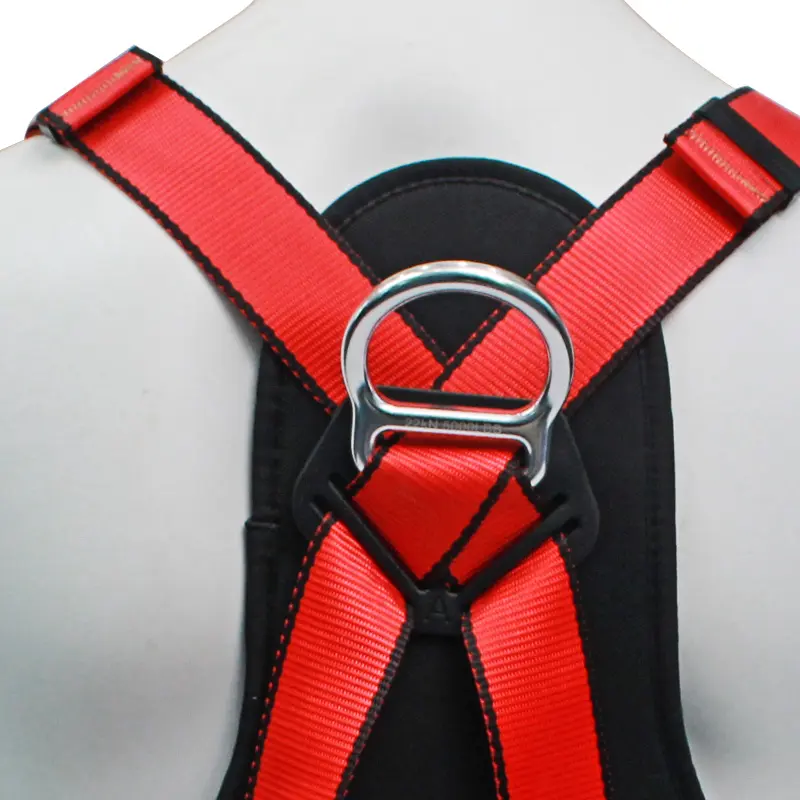
Back D-ring
The back D-ring is the most common attachment point for fall arrest. It is widely used in general construction and work-at-height applications.
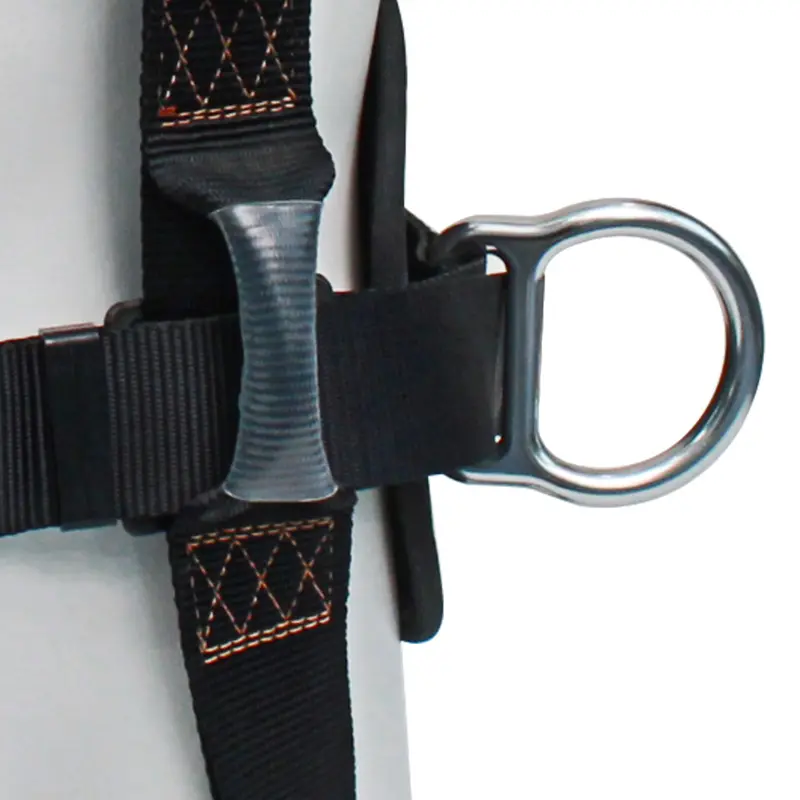
Side D-rings
Side D-rings are often important for work positioning. If a worker needs to remain stable while using both hands, a harness without side D-rings may be less practical.
Chest attachment points
Some working environments require front or chest attachment options, especially in climbing or more specialized tasks.
If the attachment points do not fit the actual connection method on site, workers may feel restricted, unstable, or simply unable to use the harness efficiently.
Why is waist support important?
Many buyers focus on certification and price first, but overlook comfort. On real jobsites, comfort is not a luxury. It affects productivity, compliance, and worker acceptance.
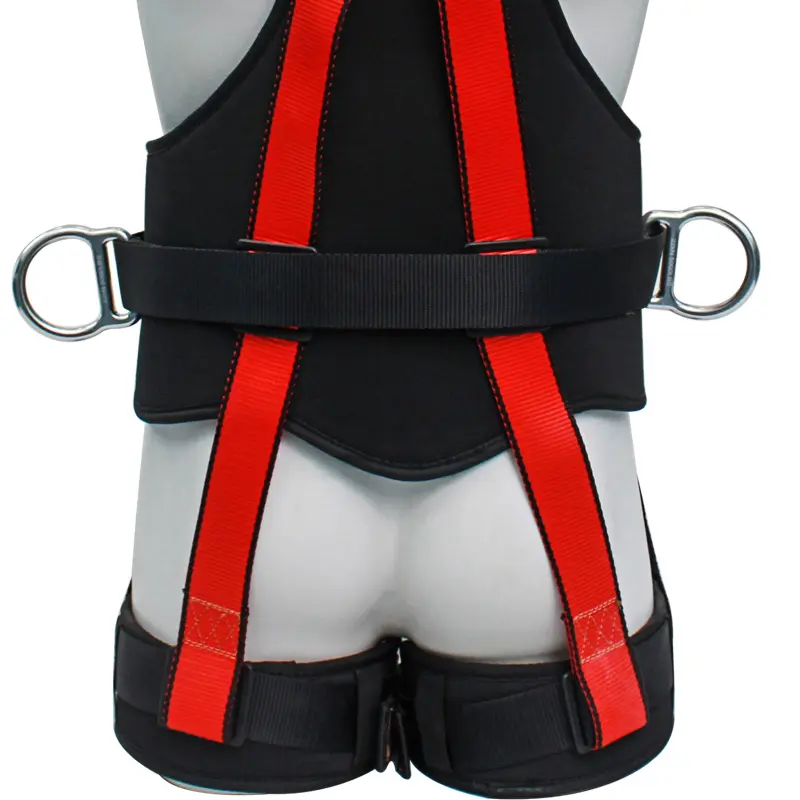
A standard safety harness may be suitable for light or short-duration use. However, when workers wear a harness for extended periods, the lack of proper waist support can become a major problem.
Common issues caused by poor waist support
- faster fatigue
- pressure around the lower back
- reduced comfort during long tasks
- lower willingness to keep the harness on correctly
- weaker support in positioning work
A harness with padded waist support can improve comfort, distribute pressure more effectively, and provide better stability during daily use.
Why do some adjustable harnesses still feel impractical?
Many products are described as adjustable, but not all adjustment systems are equally useful.
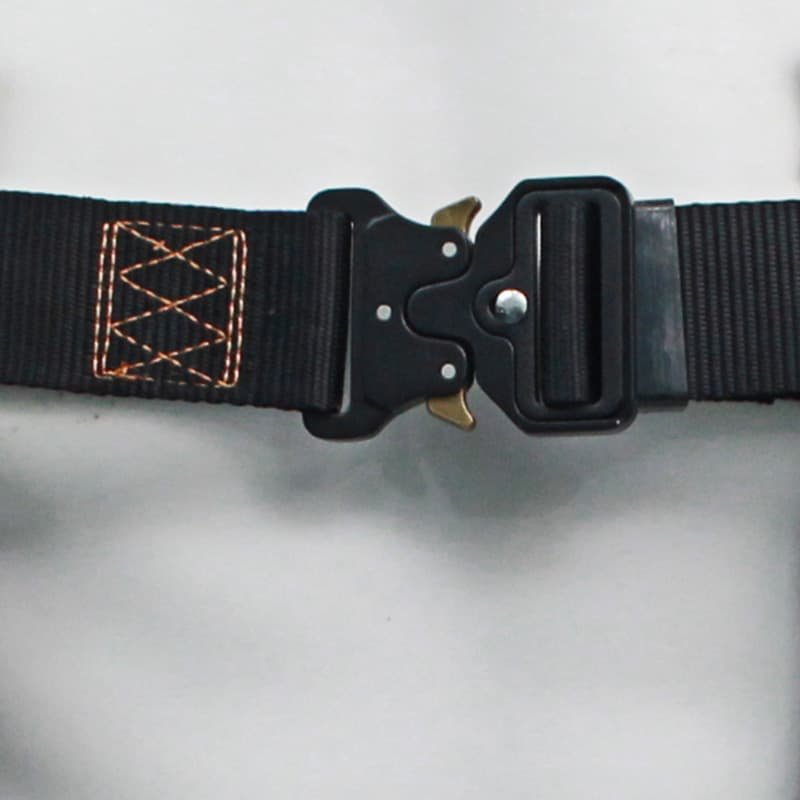
In real working conditions, workers often need to put on the harness quickly, make fast adjustments, and continue working without delay. If the buckle system is complicated or the straps are inconvenient to tighten, the harness may become frustrating to use.
Practical design matters in daily work
A harness may look similar to another model, but practical details can make a big difference:
- quick-release buckles can reduce donning time
- easier strap adjustment improves fit
- a better structure supports repeated daily use
- a simpler design can improve efficiency for crews
This is why practical structure is just as important as basic specifications.
Why can a basic harness be the wrong choice?
A basic full body safety harness is not a bad product by default. In fact, standard models are often suitable for general construction, warehouse work, roof access, and other common applications.
The problem starts when buyers use a basic model for jobs that require more support, more attachment options, or more comfort.
A basic model may be insufficient when:
- workers spend long hours wearing the harness
- work positioning is required
- climbing tasks demand different connection points
- users need more padding and support
- tools and accessories are frequently carried
The issue is not always product quality. Very often, it is a mismatch between the harness design and the jobsite demands.
Why do some buyers still choose the wrong model?
Because many purchasing decisions are based too heavily on visible factors such as price, appearance, or basic certification.
Those factors matter, but they are not enough on their own
A buyer should also consider:
- what type of work will be done
- how long the harness will be worn each day
- whether work positioning is needed
- what connection points are required
- whether workers need more back or waist support
- whether the harness is intended for general use or demanding industrial conditions
A CE EN361 safety harness may satisfy an important baseline requirement, but that alone does not guarantee that it is the best option for the actual application.
Conclusion
A safety harness should do more than simply meet a standard. To perform well on a real jobsite, it should match the actual task, provide the right attachment points, and offer enough support for daily use. Features such as D-ring layout, waist support, and practical adjustment design can make a significant difference in comfort, efficiency, and overall usability.
For buyers, selecting the right model is often more important than choosing the lowest price. A harness that fits real working conditions is more likely to deliver better performance, better worker acceptance, and better long-term value.